
Effective small kitchen organization ideas can help you make better use of the space you already have. A simple shelf riser, a few drawer dividers, or a slim rolling cart can make everyday tasks much easier.
These practical solutions will help you keep your cabinets organized, maintain clear countertops, utilize vertical space, and create extra storage in your kitchen without any clutter.
10 Small Kitchen Organization Ideas Are Listed Below
Table of Contents: Small Kitchen Organization Ideas
1. Add Dividers to Kitchen Drawers
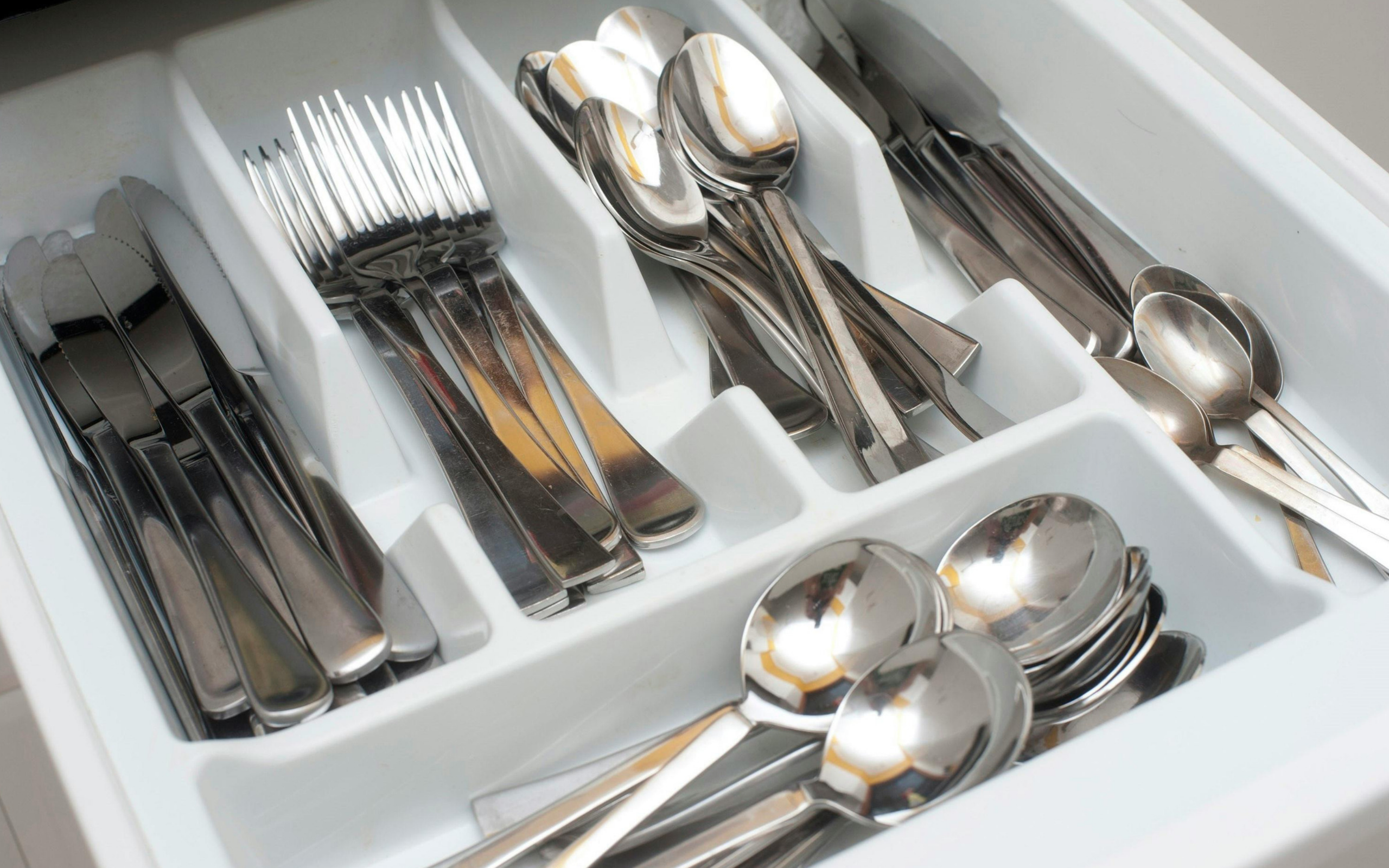
Drawer dividers help separate forks, spoons, cooking utensils, measuring tools, peelers, and other small essentials. Instead of digging through a jumble of gadgets, you can find what you need at a glance.
Adjustable dividers are very useful for drawers that are not a standard size. You can also use small containers you have, as long as they fit easily and don’t interfere with closing the drawer.
2. Add a Wall Rail or Hooks
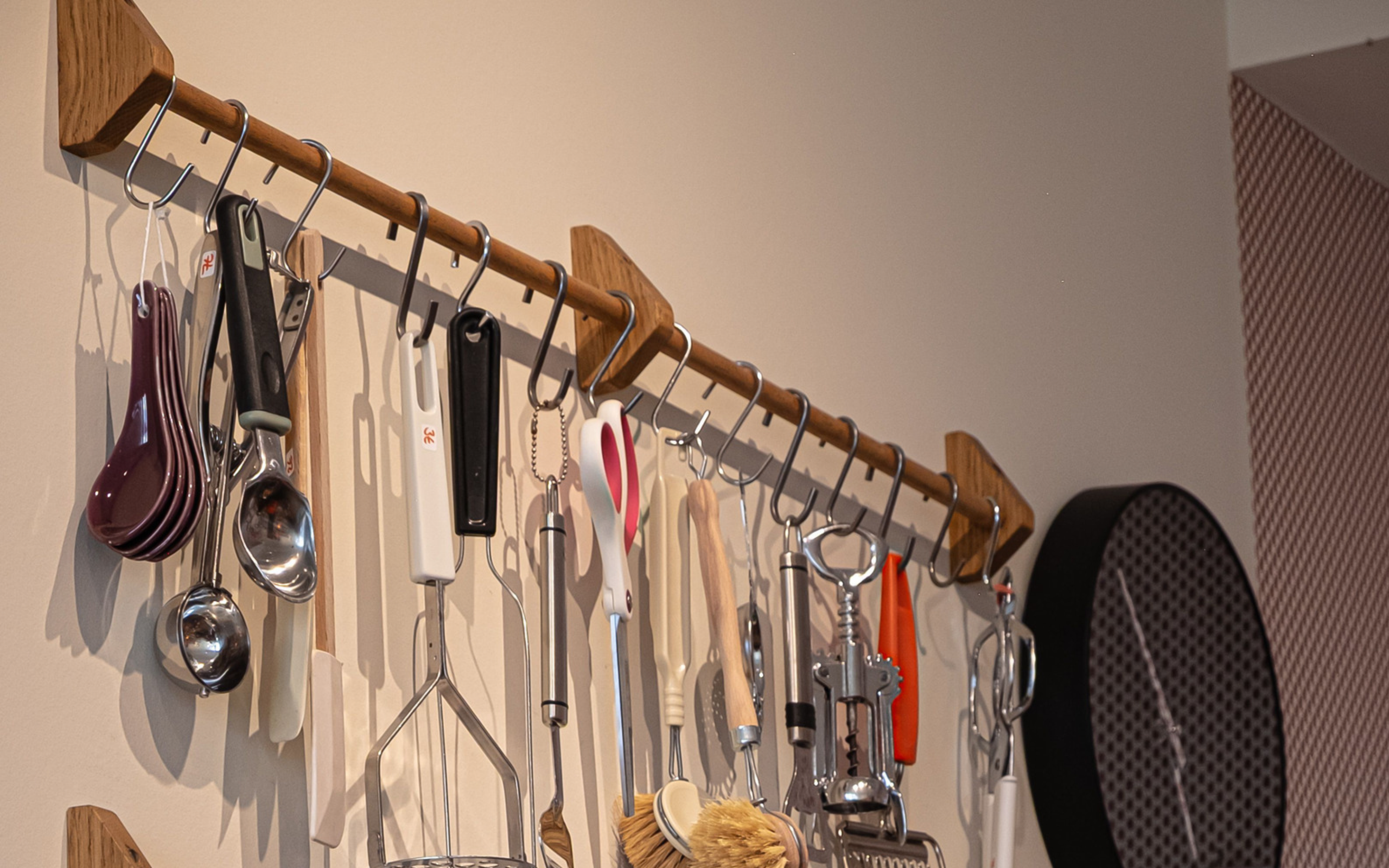
A wall rail with hooks can hold lightweight cooking utensils, oven mitts, or small kitchen tools that you reach for regularly.
Choose a location that is convenient, yet away from direct heat, splashes, and high-traffic areas. You don’t need to hang everything up; a few well-chosen, functional items will suffice.
If you live in a rented home, be sure to check your lease agreement before drilling holes in the walls.
For lightweight items, you can also use removable hooks—provided that the wall surface and the instructions accompanying the hooks allow for it.
Keeping these items together frees up space in drawers and makes them easier to grab while cooking.
3. Install a Shallow Wall Shelf

A shallow wall shelf may work well for small jars, cups, or lightweight pantry supplies. Place it near the area where you’ll use those items, so you don’t have to walk across the kitchen every time you need something.
Use appropriate wall fixings and make sure the shelf can support the expected weight. Avoid positioning heavy objects above your cooking or food-preparation area.
4. Install A Slim Rolling Storage Cart
A slim rolling storage cart could turn that unused space into practical storage.
Depending on its design, you can use it for dry goods, cooking supplies, or everyday kitchen essentials. Because it rolls out, you can reach items that might otherwise be difficult to access.
Choose a sturdy cart with suitable shelves and the option to lock the wheels when needed. Place heavy items on the bottom shelf to prevent the cart from tipping over.
5. Use Stackable Food Containers
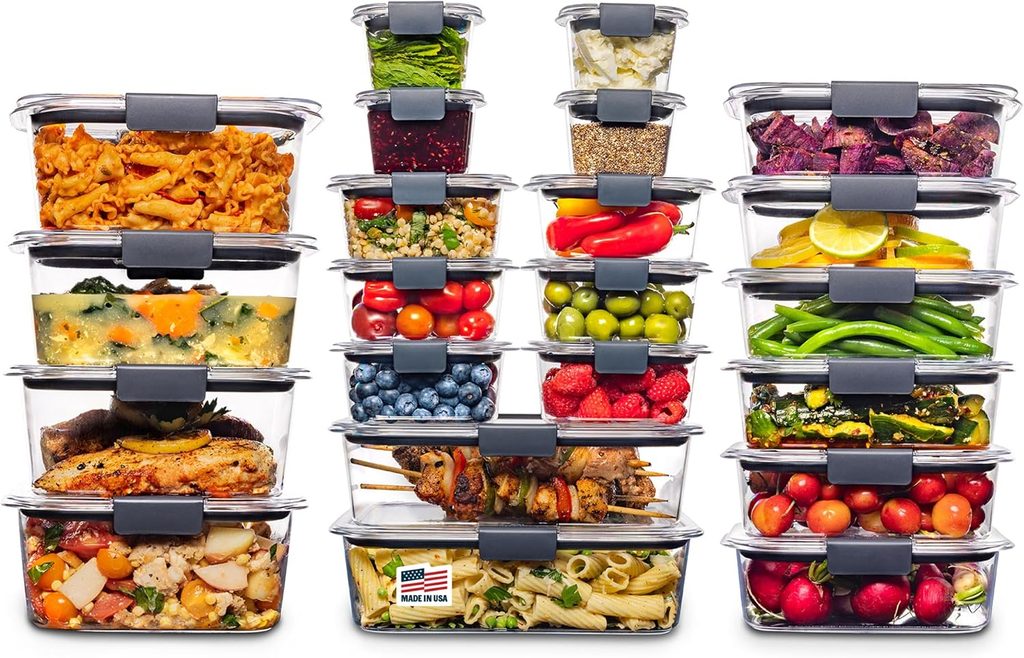
Stackable containers can help you organize dry goods, snacks, and food items without wasting valuable shelf space.
Choose containers that fit properly on your shelves and have secure, suitable lids. Using transparent containers makes it easy to see what is inside, while adding labels allows you to quickly identify the contents.
If you transfer food or drink items into new containers, label them clearly and follow the appropriate storage instructions for each item. Keep food and beverages separate from cleaning supplies and other household chemicals.
Additionally, ensure that essential information—such as the presence of allergens and relevant dates—remains easily visible. You do not need to replace every original package just to make your pantry look attractive.
6. Add Under-Shelf Baskets for Lightweight Items
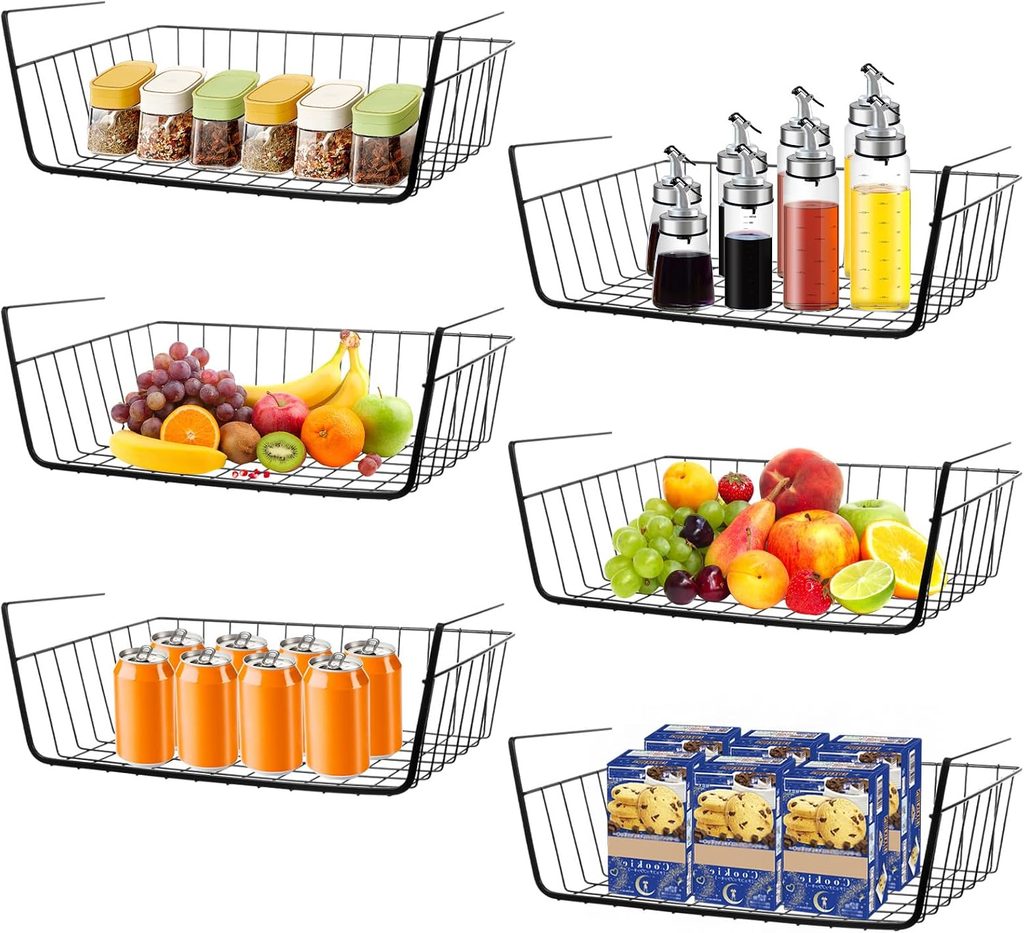
An under-shelf basket slides onto a suitable shelf and creates a small storage area beneath it. It can be useful for napkins, tea bags, lightweight packets, or other small items that do not need a full shelf of their own.
Before purchasing, check the basket’s attachment design and the thickness of the shelf. Also, ensure that once the basket is installed, it does not obstruct the removal of items placed underneath it.
Avoid placing heavy glass containers or unstable items in baskets designed for lightweight objects. If a basket wobbles or the shelf itself is unstable, do not force the basket onto the shelf.
This is a useful option when you want to utilize an empty, open space without installing an additional permanent shelf.
7. Choose Compact, Multipurpose Kitchen Tools
Sometimes the easiest way to create more storage is to reduce the number of separate tools you need.
Depending on how you cook, nesting bowls, combination measuring tools, or a genuinely useful multipurpose appliance may replace several individual items.
Keep tools that make your everyday cooking tasks easier. You don’t necessarily need to keep things to a bare minimum; just ensure that everything in your kitchen truly earns its place.
8. Install curtains between the cabinets
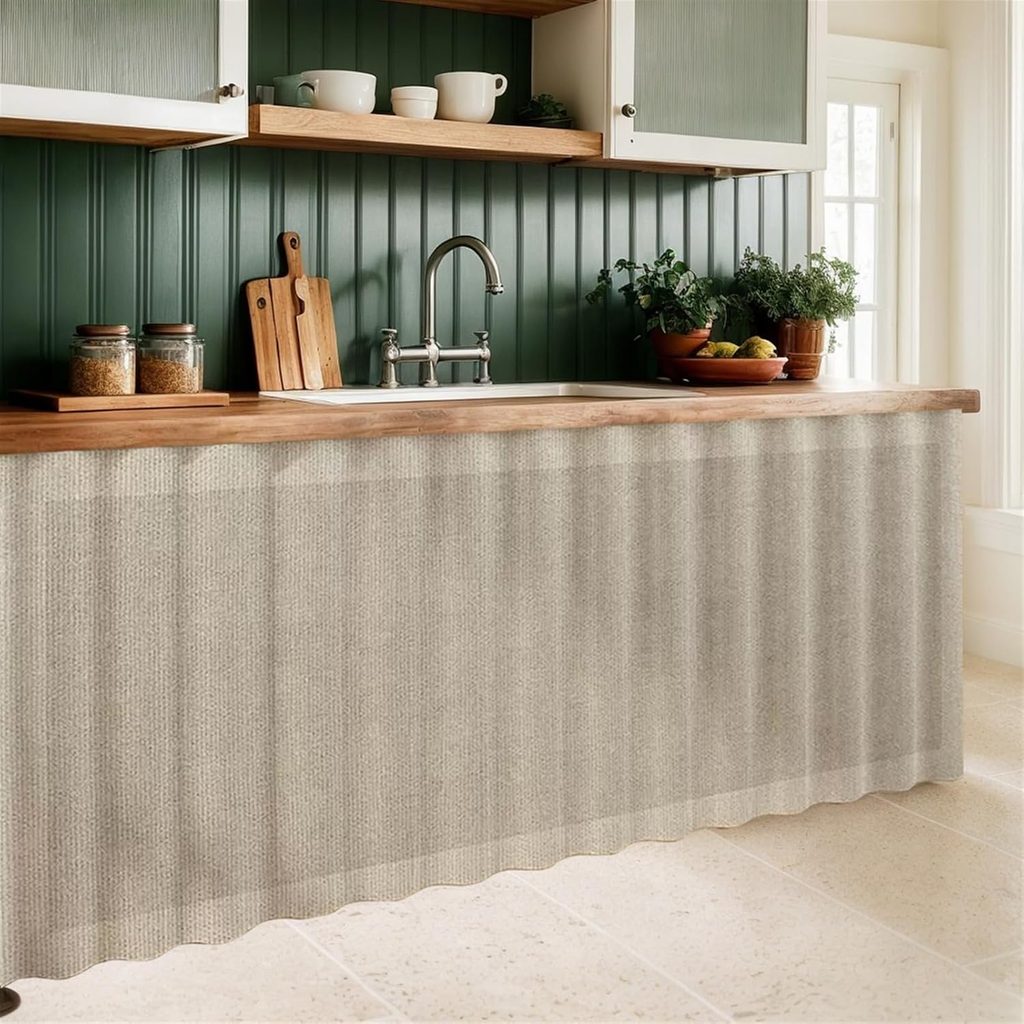
Not every small kitchen needs another cabinet or storage organizer. If your kitchen has open shelving, an exposed storage nook, or a lower cabinet area without doors, a simple curtain can create a softer look while keeping everyday items out of sight.
Choose a lightweight fabric in a neutral shade, such as cream, beige, or soft sage green, to complement the rest of your kitchen.
A tension rod may work for a suitable opening, while a properly installed curtain rod can be another option if your rental agreement and wall or cabinet construction allow it.
How to make it work:
- Measure the opening before buying fabric or a curtain rod.
- Choose a washable fabric that is easy to remove for cleaning.
- Keep stored items grouped in baskets or bins behind the curtain.
- Make sure the curtain does not touch the floor or interfere with cabinet doors.
- Keep fabric well away from stovetops, open flames, and other hot surfaces.
This idea works best for lightweight pantry supplies, dish towels, or everyday kitchen items that do not need a sealed cabinet.
It will not provide the same protection from grease, dust, or pests as a properly fitted cabinet door, so store food in suitable containers.
A simple curtain can make an exposed storage area look more intentional without the cost of replacing cabinetry.
9. Keep Countertops Clear With a Simple Reset Routine
Keeping your counters clear provides ample space for chopping, mixing, serving, and cleaning. In a small kitchen, counters often become a landing spot for items that lack a designated home.
First, decide which items truly need to be kept out. Depending on your daily routine, this might include a frequently used appliance, a dish rack, or a small tray for everyday essentials.
Return everything else to its proper place. If you have so many items that they don’t fit comfortably in your cabinets, take a fresh look at your belongings before buying more organizers.
At the end of the day, follow these simple steps to keep your kitchen organized:
- Put ingredients and utensils back in their designated spots.
- Return any misplaced items to where they belong.
- Wipe down the counter surfaces.
- Check the sink and clean any dishes.
- Ensure the primary cooking area is ready for the next meal.
There is no need for your kitchen to look like a showroom. A practical, sustainable daily routine is far more valuable than elaborate counter decor.
10. Make Use of Suitable Refrigerator-Side Space
You can sometimes attach slim racks, magnetic organizers, or hooks for lightweight kitchen items to the side of your refrigerator. This can help free up space on your counters or crowded cabinet shelves.
First, ensure that the side of your refrigerator is actually magnetic; some surfaces or appliance designs may not support magnetic organizers. If it isn’t suitable, a freestanding rack placed nearby might be a better alternative.
Keep the arrangement simple. It is better to store lightweight items—such as wrappers, notes, or small, select objects—here, rather than heavy jars or items that you use frequently.
Be careful not to block the refrigerator’s vents, interfere with the opening of the doors, or cover any important information on the appliance.
Always consult the appliance manual before attaching anything, especially if you are unsure about ventilation or temperature-related requirements.
Also Read: 1-Hour Home Reset: Simple Way to Clean Your Home
Small Kitchen Storage Ideas on a Budget
You don’t need to spend a lot of money to make your kitchen more organized. Often, the best place to start is with the items you already have.
| Budget level | What to try | Best use |
|---|---|---|
| Free | Remove duplicates, nest bowls, and group similar items | Reduce clutter and use existing space |
| Low cost | Drawer dividers, simple hooks, and shelf risers | Separate items and make them easier to reach |
| Moderate | Rolling carts, pull-out baskets, and extra shelving | Add storage where space allows |
| Larger project | Fixed shelves or cabinet modifications | Solve ongoing storage problems |
Renter-Friendly Kitchen Organization Ideas
Even if you live in a rented home, you can make your kitchen more functional without making any permanent changes.
Consider using standing shelves, lightweight bins, over-the-door organizers, drawer dividers, and rolling carts. These increase storage capacity and help keep things organized.
Exercise caution when using adhesive hooks or removable mounting strips. Their effectiveness depends on the surface type, its condition, humidity levels, the presence of grease, and the weight of the items being hung. Always follow the manufacturer’s instructions.
Check your lease agreement before drilling holes or making any modifications to cabinets. Do not use tension rods for loads exceeding their design capacity, and ensure that you never block doors, vents, electrical outlets, or plumbing access points.
In many rental kitchens, simply clearing some clutter and better organizing your existing cabinets can make a significant difference.
Common Small Kitchen Organization Mistakes
Buying organizers before decluttering: New containers cannot solve the problem of having too much stuff. Start by removing expired food, unused tools, and unnecessary duplicates.
Storing everything on open shelves: While open shelving can be useful, having too many items on display creates visual clutter and can lead to the accumulation of grease or dust, especially near cooking areas. Use open shelves thoughtfully.
Overlooking accessibility: If you have to move five items just to reach the one you need, your storage system isn’t working. Keep everyday essentials easily accessible, and store items used less frequently in less convenient spots.
Overloading cabinet doors or hooks: Always check weight limits, installation instructions, and available space. A rack that causes a door to warp or falls off due to the weight only adds to the problem instead of solving it.
Blocking ventilation or cooking areas: Avoid crowding appliances together, obstructing vents, or placing items where they might come into contact with open flames or hot surfaces.
Decanting everything into separate containers purely for aesthetics: Uniform containers aren’t strictly necessary. Use them only if they improve stacking, visibility, or ease of handling—not just for the sake of making your pantry look a certain way.
Frequently Asked Questions
How do I organize a very small kitchen?
Start by removing items you no longer use and grouping the things you keep by category. Shelf risers, drawer dividers, and suitable vertical storage can help you make better use of existing cabinets. Keep everyday essentials easy to reach and leave enough counter space for preparing food.
How can I get more storage in a small kitchen without remodeling?
Make better use of your existing cabinets, add suitable door organizers or under-shelf baskets, and consider a narrow rolling cart if you have enough room. Measure before buying anything, and choose portable options if permanent changes aren’t practical.
What is the cheapest way to organize a small kitchen?
Start with decluttering and rearranging what you already own. Nest bowls, store lids vertically, group similar items together, and move rarely used appliances off the counter. If you still need extra help, inexpensive dividers or shelf risers can be useful for specific problem areas.
How do I organize a small kitchen with limited cabinets?
Give each available cabinet a clear purpose, such as storing everyday dishes, cooking tools, or pantry supplies. Use vertical space where it helps, move occasional-use items elsewhere when practical, and consider freestanding storage if you have a suitable spot.
What should I keep on my kitchen countertop?
Keep the items you use frequently and can accommodate safely. This might include a kettle, a regularly used appliance, or a small group of everyday essentials. Leave an open area for food preparation, and follow appliance instructions about clearance and ventilation.
Are open shelves a good idea for small kitchens?
Yes, if you have suitable wall space and don’t mind cleaning them regularly. Open shelves work well for lightweight items you use often, but closed cabinets may be better for things that collect grease easily or that you rarely need to reach.
How can I organize a small kitchen in a rental apartment?
Start with portable solutions such as drawer dividers, shelf risers, freestanding carts, and suitable over-door organizers. Check your lease before drilling, and follow the installation and weight instructions for any adhesive or hanging product.
Conclusion
The best small kitchen organization ideas aren’t just about making your shelves look neat. They’re about making everyday cooking, cleaning, and putting things away feel a little easier.
Start by clearing out what you no longer need, then work on the cabinets and drawers you use most. Make use of overlooked spaces when it makes sense, choose organizers that actually fit, and keep your main work surfaces clear.
You might discover that a few thoughtful changes are all your kitchen needs. There’s no reason to spend money on a complete makeover if a better layout can solve the problem.